More Horizon Europe applications, better chances? The trade-off between volume and attention
When Horizon Europe success rates constantly drop, submitting more applications can seem like a sensible strategy.
If each application has a limited chance of success, pursuing more opportunities should increase the likelihood that one gets funded. And when research funding is essential to maintaining a team, developing a research line or pursuing a promising idea, it is understandable that researchers want to keep as many options open as possible.
But there is another side to this calculation.
Every application requires time and attention. You need to assess whether the call is suitable, develop the research idea into a convincing project, address gaps in the rationale, build a coherent workplan and explain why the proposed work matters.
When those resources are spread across too many applications, the additional opportunities can come at a cost.
The question is not simply how many applications you can submit. It is whether the opportunities you pursue receive the attention they need.
Why pursuing more opportunities can feel like the sensible choice
There are good reasons why researchers may want to pursue several funding opportunities.
The first is uncertainty. When success is far from guaranteed, concentrating effort on one application can feel risky. Keeping several options open may appear to reduce the risk of investing months of work in a proposal that is not funded.
There is also the pressure to maintain research activities, support a team and secure resources for future work. A researcher may have several legitimate funding needs, each with its own timeline and requirements.
And sometimes the opportunities really are compatible. A research programme may generate more than one distinct project, or a researcher may have the capacity and support to prepare several applications in parallel.
The difficulty begins when the number of opportunities pursued is driven primarily by the desire to improve the odds, without a realistic assessment of what each application will require.
An application is not just another deadline to add to the calendar. It is a commitment to develop and communicate a convincing project.
And the work involved is not limited to writing.
Before a proposal can be written effectively, important decisions need to be made about the research question, the knowledge gap, the objectives, the approach and the logic connecting the different elements. Depending on the scheme and the project, this may also involve developing collaborations, clarifying roles, assessing feasibility and reconsidering assumptions.
These decisions take time. They cannot always be accelerated simply by working longer hours or dividing tasks among more people.
More applications do not automatically mean a stronger funding strategy
Submitting additional applications may create additional opportunities to receive funding. But that does not mean that increasing the number of submissions is always the best response to a competitive funding environment.
Nor does submitting only one application guarantee a strong result.
The number of applications is only one part of the equation. The fit between the project and the funding opportunity, the maturity of the idea, the quality of the proposal and the resources available to develop it all matter.
Funding statistics can help researchers understand the environment in which they are applying. They cannot, by themselves, tell you whether a particular project is ready, whether a specific call is the right fit, or how much work is needed to make the proposal convincing.
Consider two situations.
In the first, a researcher has two well-developed projects, each suited to a different funding opportunity. The timelines are compatible, the necessary expertise is available, and there is sufficient capacity to develop both applications. Pursuing both may be entirely reasonable.
In the second, a researcher commits to several calls because the probability of success is low. The projects are still taking shape, the deadlines overlap, and the same limited time must cover the development of the research ideas, the coordination of collaborators and the writing of the proposals.
The number of applications is similar in principle, but the circumstances are very different.
The relevant question is not whether one or several applications is the right number. It is whether the strategy is compatible with the work required to prepare each proposal properly.
Before committing to another application, ask yourself five questions
So how can you decide whether another funding opportunity is worth pursuing?
You do not necessarily need to reduce the number of opportunities you pursue. You do need to understand what you are committing to.
Before adding another application to your plans, consider the following questions.
1. Is this funding opportunity genuinely suitable for the project?
A call may appear relevant because it mentions your research topic or a related priority. That does not automatically mean that the project addresses the problem the call is intended to tackle. Look beyond keywords and assess the fit between the project's purpose and the opportunity.
2. Is the project sufficiently developed to justify the investment?
An interesting research idea is not yet a complete project. Do you have a clear research question, a convincing rationale, well-defined objectives and a credible approach? If important elements are still unresolved, what needs to happen before you can make a realistic commitment?
3. What are the most important gaps to address?
Avoid treating every outstanding task as equally urgent. Identify the issues that could materially affect the proposal's credibility or coherence. If these are substantial, account for the time required to resolve them rather than assuming they can be handled alongside everything else.
4. What resources will the application require?
Consider the time needed for project development, coordination, writing, review and revision—not only the time needed to complete the application form. Also consider the availability of collaborators and support from your institution.
5. What will this commitment displace?
Every additional application competes with something else: another proposal, ongoing research, supervision, teaching or time needed to develop a project properly. Make that trade-off explicit rather than assuming that everything can be accommodated.
These questions will not produce a formula for predicting funding success. They can, however, help you make a more deliberate decision about which opportunities to pursue and what preparation they require.
The aim is not to submit less. It is to choose deliberately
In a competitive funding environment, pursuing several opportunities can be a reasonable strategy. But the number of Horizon Europe applications should follow from a considered assessment of their suitability, readiness and resource requirements—not become a substitute for that assessment.
Before committing to another deadline, take a step back.
Is this the right opportunity for the project? Is the project ready for the work ahead? Do you have the time and support to develop a convincing proposal? And, if not, what would need to change?
The number of applications is easy to count. The quality of the decisions behind them is harder to measure, but it deserves at least as much attention.
Because the aim is not simply to submit more proposals. It is to make informed choices about where your effort can make a meaningful difference.
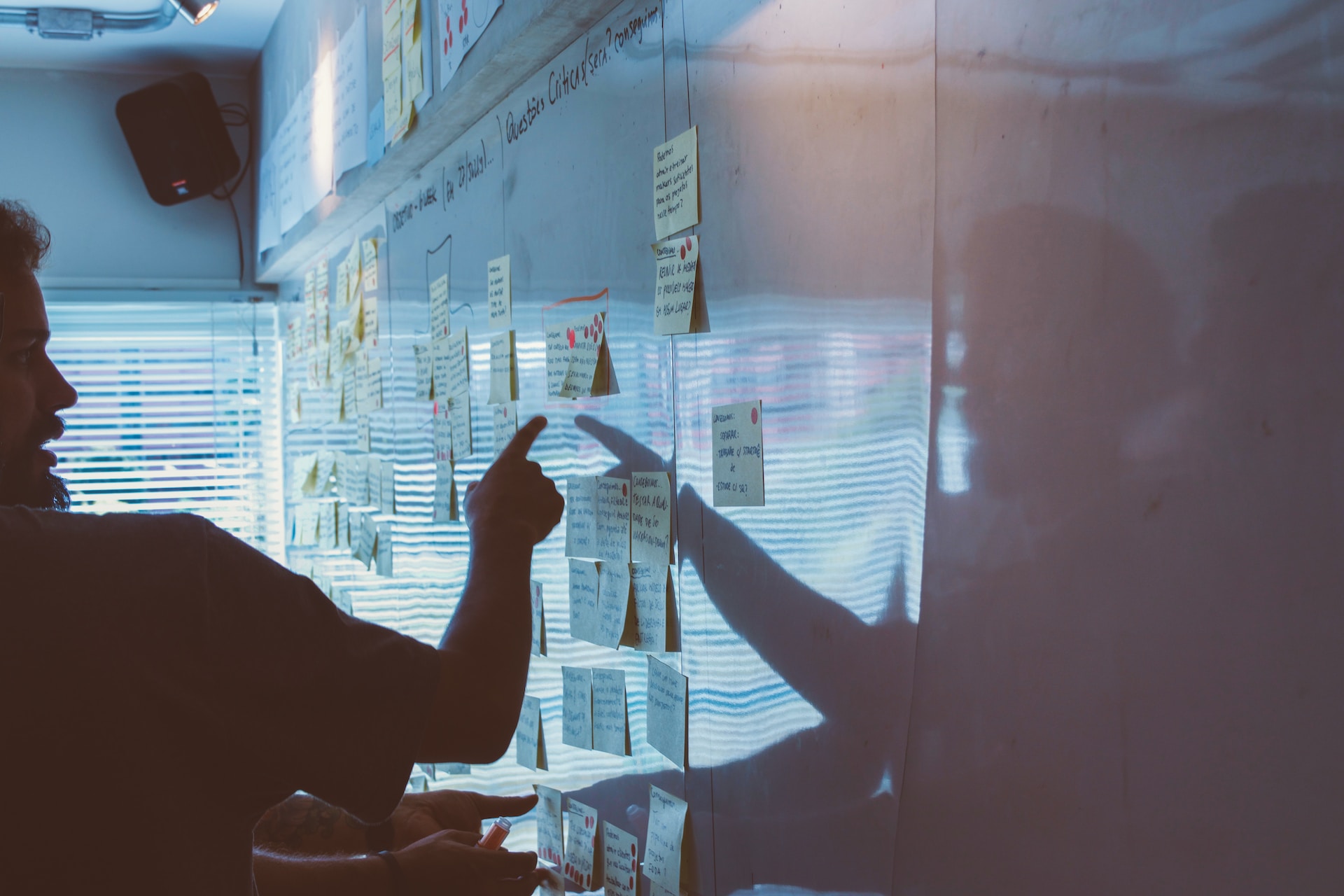
Picture by Startaê Team on Unsplash